
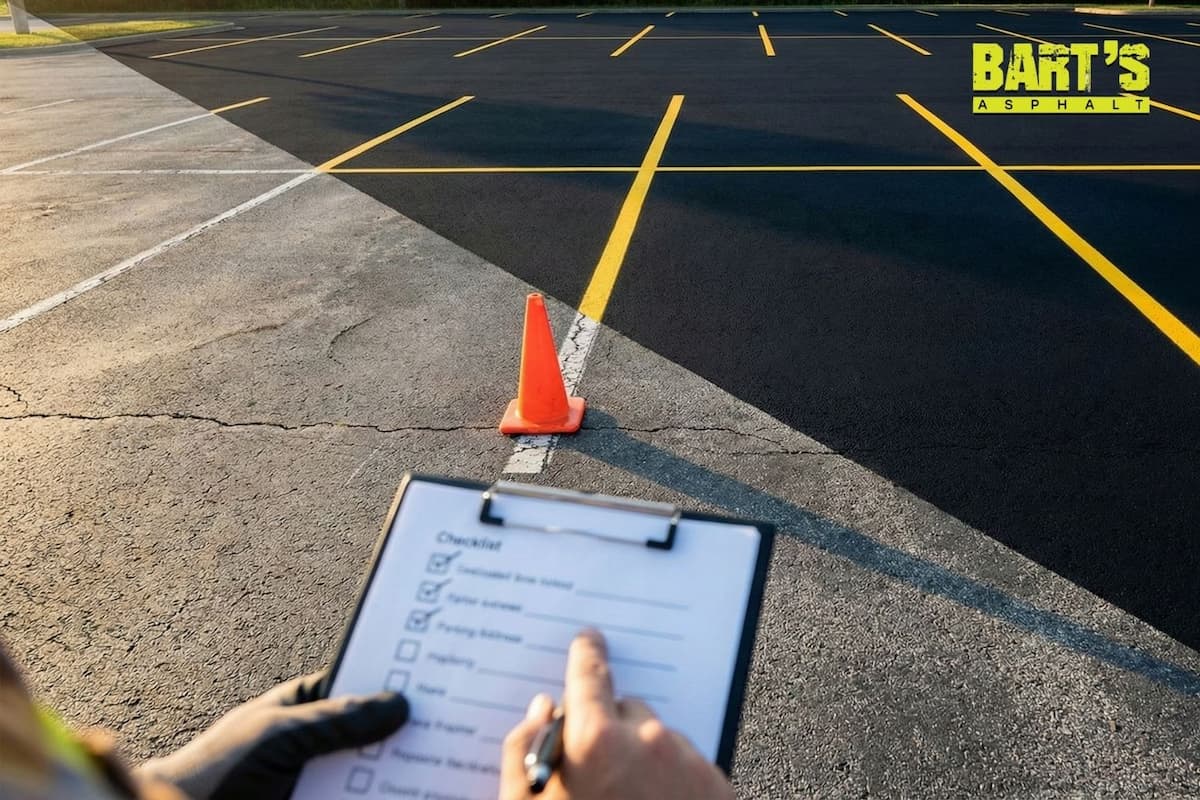
A parking lot maintenance checklist is a structured document used to inspect, clean, and repair a parking area, ensuring safety, compliance, and longevity. It organizes tasks by frequency, covering visual inspections, cleaning, structural repairs, and seasonal preparations.
This guide details what to include in visual inspections, how to manage seasonal tasks, and how to enhance safety and accessibility for all users.
Key Takeaways
- Regular visual inspections are essential for identifying potential hazards and prioritizing maintenance tasks to ensure safety and extend pavement lifespan.
- Routine cleaning, debris removal, and proper drainage management are critical for maintaining the functionality and appearance of parking lots, preventing costly repairs.
- Implementing seasonal maintenance practices and structural repairs, along with thorough documentation, enhances parking lot safety, compliance, and longevity.
What Should a Visual Inspection Checklist Include?

A visual inspection checklist should include a thorough review of pavement surfaces for cracks and potholes, an assessment of drainage systems, and a check of all signage and markings. These regular inspections are crucial for identifying hazards that could compromise user safety and for planning proactive maintenance activities.
Thorough inspections help facility managers keep parking lot surfaces safe, reduce accident risk, and extend pavement lifespan. Detailed inspection reports, complete with photographs, are invaluable tools for assessing the severity of issues and prioritizing necessary repairs.
Regular inspections also contribute to the overall curb appeal and functionality of the parking lot. A well-maintained parking lot with clear markings and no visible defects, like overgrown vegetation or faded paint, reflects positively on the organization.
It demonstrates a commitment to safety and convenience, creating a positive first impression for customers and visitors. This positive image is vital for customer-facing businesses like retail centers or healthcare campuses, as it impacts user perception before they even enter the building.
The primary financial benefit of routine inspections is the early identification and addressing of problems. Catching a small crack or a clogged drain during a visual walk-through allows for a quick, low-cost fix. If left unchecked, that crack allows water to penetrate, leading to subgrade failure and expensive potholes.
This proactive identification helps facility and property managers avoid extensive, budget-breaking repairs and significantly lowers the asset’s total cost over the long term.
If you need professional help identifying pavement issues? Contact Bart’s Asphalt for a free parking lot assessment and detailed condition report.
Identifying Cracks and Potholes
Cracks and potholes are common issues in asphalt parking lot surfaces, and identifying them early is critical to preventing further pavement deterioration. Cracks can widen and deepen over time due to external factors like standing water and chemicals, leading to significant surface damage.
Potholes form when the ground beneath the pavement expands and contracts, weakening and breaking apart the asphalt. Different types of cracks, such as surface fatigue or structural issues, require specific repair approaches to ensure long-lasting solutions and extend the pavement’s life.
Regular inspections, especially before winter, are vital for identifying cracks and potholes that could worsen in the colder months. Facility managers should conduct monthly detailed surface walk-throughs to:
- Note new or expanding cracks
- Observe raveling (loose stones or gravel)
- Detect settlement or low spots where water ponds
- Identify potential trip hazards, such as heaving pavement
Properly documenting the width and extent of this damage helps:
- Prioritize repair efforts based on severity
- Ensure high traffic areas receive immediate attention
- Prevent minor issues from causing vehicle damage
Checking Drainage Systems
Proper drainage is essential for maintaining the structural integrity of parking lot surfaces. Pooling or standing water is a primary cause of pavement failure. It accelerates the deterioration of asphalt and concrete and can penetrate the subgrade, leading to potholes and settlement.
Poor drainage also creates drainage problems for users and property owners, including slippery conditions and potential flooding. Therefore, a core part of the visual inspection is to identify any areas where water ponds after rainfall, as this indicates a clog, a structural issue, or a grading problem.
The drainage inspection checklist must include all storm drains, catch basins, and inlets. Inspectors should check these points for any obstructions, such as trash, leaves, or sediment, that could block water flow. Routine sweeping is a key preventive measure, but drains must still be checked, especially after storms in harsh weather.
Keeping these drainage systems clear is a critical yet straightforward maintenance task that prevents water damage, reduces flooding, and extends the pavement’s lifespan.
Assessing Signage and Markings
Assessing signage and markings ensures the entire parking lot remains safe, compliant, and easy to navigate for optimal traffic flow. This assessment should verify:
Pedestrian Safety: All pedestrian pathways and crosswalks are bright and clearly defined to minimize vehicle-pedestrian conflicts and enhance accessibility.
Traffic Control: All traffic direction arrows, stop bars, and speed bump markings are visible to guide traffic patterns effectively.
Accessibility: ADA-compliant spaces and pathways are clearly marked with non-faded paint and appropriate signage.
Signage Condition: All signs (e.g., “STOP,” “NO PARKING,” “SPEED LIMIT”) are secure, clean, and reflective for visibility.
Regularly assessing the visibility and condition of signage and parking lot striping ensures that they effectively guide traffic and maintain a safe environment for all users, reducing the risk of accidents and improving the overall traffic flow.
What Routine Cleaning and Debris Removal Tasks Are Required?

The primary routine cleaning tasks are regular sweeping, periodic pressure washing, and consistent vegetation control.
These maintenance activities are fundamental components of a parking lot maintenance plan because they remove debris, oil stains, and grime that can degrade the pavement or create safety hazards.
A clean surface not only enhances curb appeal but also reveals underlying issues, such as new cracks. This allows facility managers to address repair needs promptly and maintain a safe, functional environment for all users and customers.
Implementing a debris management plan, especially in the fall, helps prevent moisture accumulation and asphalt decay. Routine cleaning activities, such as removing snow and oil deposits, are essential for ongoing lot maintenance.
A debris-free parking lot ensures proper drainage, reduces accident risks, and extends pavement lifespan, keeping facilities in good condition.
Sweeping and Litter Removal
Daily sweeping and litter removal are essential parking lot maintenance tasks that directly impact both safety and pavement longevity. These activities prevent debris from accumulating, which can clog drains and cause premature surface wear.
Property managers and facility managers should ensure sweeping crews avoid pushing debris into gutters or storm drains, as this can create drainage problems and regulatory compliance issues.
Regular sweeping not only keeps the parking lot looking clean and well-maintained but also helps maintain its structural integrity by preventing damage caused by debris and litter.
Collecting and disposing of debris adequately protects infrastructure and ensures the business remains compliant with local regulations.
Pressure Washing
Periodic pressure washing is a key task for removing harmful substances that regular sweeping cannot. It uses high-pressure water to effectively remove embedded oil, fuel, salt, and grime from the pavement’s pores.
This process is critical because these chemicals can slowly dissolve the asphalt binder or stain concrete surfaces. By eliminating these stubborn substances, including oil stains, pressure washing not only restores curb appeal but also extends the surface’s lifespan and removes potential slip-and-fall hazards.
Scheduling regular pressure washing sessions, particularly in the warmer months, is an essential maintenance activity that helps preserve the resilience and appearance of the parking lot.
A proper schedule for these sessions can enhance their effectiveness and maintain excellent condition.
Vegetation Control
Controlling vegetation around parking lots is crucial for maintaining safety and preventing pavement damage. Overgrown vegetation can create trip hazards and lead to pavement deterioration as plant roots grow and expand beneath the surface.
Regularly trimming vegetation, removing weeds from cracks, and clearing sightlines help preserve the structural integrity of the pavement and ensure a safe environment for users.
Effective vegetation control is a simple yet important aspect of lot maintenance that contributes to the facility’s overall safety and longevity. It also improves curb appeal and ensures that signage remains visible to drivers and pedestrians.
How Should Parking Lot Maintenance Change by Season?

Parking lot deterioration is accelerated by seasonal weather, heavy traffic, and snowplows, which makes a seasonal parking lot maintenance plan essential to mitigate this damage.
Weather, traffic patterns, and heavy equipment all contribute to pavement wear, and performing seasonal maintenance activities helps address these challenges.
A well-structured seasonal maintenance plan enhances the longevity and safety of parking lots, reducing long-term repair costs for property owners and organizations.
Each season brings unique challenges and maintenance requirements. Spring maintenance focuses on addressing damage caused by winter conditions, while summer maintenance emphasizes preserving pavement resilience and ensuring clear markings, especially after harsh weather.
Fall and winter preparation tasks are aimed at preventing damage from cold weather and maintaining safety during snowy conditions in the colder months. Scheduling and performing these tasks keep parking lots in excellent condition year-round.
Spring Maintenance
A post-winter assessment in spring is critical for identifying and repairing damage from the freeze-thaw cycle. This is when property managers should focus on restoring the parking lot after months of exposure to ice, snow, salt, and sand. Key tasks include:
Cleaning: Thoroughly sweeping the entire parking lot to remove sand, salt, and deicer residue that can accelerate deterioration.
Drainage Checks: Clearing all catch basins of winter debris to restore proper drainage and prevent standing water.
Crack Filling: Sealing any new cracks that formed during the winter to prevent water intrusion and extend pavement life.
Pothole Patching: Repairing all potholes while the weather is mild to prevent vehicle damage and liability risks.
Parking Lot Striping: Repainting faded lines and markings to improve traffic flow and safety.
System Testing: Checking lights and signs to ensure all safety equipment is functioning correctly after winter.
These seasonal actions are essential to ensure the entire parking lot remains in excellent condition and is ready for increased traffic in the warmer months.
Summer Maintenance
Summer maintenance activities focus on preserving the pavement’s resilience and ensuring clear, visible markings during the warmer months. sealcoating is important during this season because it protects the pavement from UV damage, oil spills, and oxidation while reducing wear from heavy traffic.
Regular restriping and parking lot striping ensure that markings remain clear and enhance safety for users navigating traffic patterns.
Additionally, checking for drainage issues and addressing them promptly helps prevent flooding and water damage during summer storms.
Planning seasonal work windows for sealcoating and restriping ensures minimal downtime and maintains a well-maintained parking lot that serves customers and visitors safely.
Fall and Winter Preparation
Effective fall and winter preparation protects the pavement and ensures safety during the colder months. This maintenance plan should include:
Leaf Removal: Ramping up sweeping to prevent leaves from clogging drains and creating slippery spots that pose a risk to pedestrians.
Drainage Prep: Performing a final cleaning of all catch basins, channels, and downspouts to prevent ice buildup and maintain positive flow.
Snow Removal Plan: Confirming contracts with snow plow operators and specifying the need to avoid gouging the asphalt, which can cause costly damage.
Deicer Strategy: Stockpiling deicers and confirming their appropriate use, as some chemicals can damage concrete surfaces.
Low Spot Monitoring: After storms, verify there is no standing water in low spots or snow stockpile areas that could freeze and create hazards.
Effective snow removal practices and judicious application of deicers help protect the pavement and maintain safe conditions during winter, ensuring the parking lot remains accessible and functional in harsh weather.
What Are the Most Important Structural Repairs and Preventive Measures?

Structural repairs and preventative measures are essential components of a comprehensive parking lot maintenance plan that extend pavement life and reduce long-term costs.
In order to prolong the lifespan of parking lots and enhance safety for all users, regular maintenance activities such as sealing cracks and patching potholes must be carried out. Summer maintenance tasks, such as sealcoating, protect the pavement from UV damage and high temperatures, further extending its lifespan.
Effective snow and ice management during winter maintains safe conditions and protects pavement integrity in the colder months. Planning and executing these maintenance activities significantly enhances the longevity of parking lots and helps property owners avoid costly emergency repairs.
Using quality materials and proper equipment for repairs ensures that maintenance efforts are practical and durable.
Regularly scheduled structural repairs and preventative measures are key to maintaining a well-maintained parking lot that serves its users safely and efficiently while preserving the organization’s investment.
Crack Sealing and Pothole Repair
Crack sealing and pothole repair are critical maintenance activities for any asphalt parking lot. Sealing active cracks and patching potholes promptly prevents water intrusion and reduces liability risks that could expose the business to legal claims.
Facility managers should prioritize crack filling for cracks larger than about 1/8 inch to limit water ingress and subgrade damage, which accelerates pavement deterioration. Filling cracks before sealcoating in this order prevents moisture from undermining fresh sealant.
Regular inspections for immediate hazards help ensure that these issues are addressed quickly and effectively. Such hazards include:
- Potholes that can cause vehicle damage
- Lifted wheel stops that create trip hazards
- Loose gravel that compromises surface integrity
- Oil stains that create slippery conditions
Thorough surface preparation before patching or sealing is essential for ensuring proper adhesion and long-lasting repairs. This preparation includes cleaning the area, removing debris, and ensuring the surface is dry before applying repair materials.
Sealcoating and Resurfacing
Sealcoating and resurfacing are vital for maintaining the integrity and appearance of asphalt parking lot surfaces. sealcoating protects asphalt from oil spills, oxidation, and weather-related damage, extending its lifespan and maintaining excellent condition.
Industry benchmarks suggest applying sealcoating every 2–3 years using environmentally friendly, PAH-free products that are safer for the environment and users. Owners building that cycle into a maintenance budget can explore scheduled commercial sealcoating.
Complete resurfacing is typically needed every 10–15 years, depending on the pavement’s condition and traffic patterns in high-traffic areas. In our experience managing commercial properties, using quality materials is becoming a key compliance and tenant requirement.
Regularly scheduled sealcoating and resurfacing activities are important for preserving the resilience and functionality of parking lot surfaces, helping property owners maintain their asset value in the long run.
Upgrading Materials and Equipment
Using high-quality materials and proper equipment is crucial for the effectiveness and durability of parking lot repairs. Investing in high-quality materials can significantly enhance repair longevity, making repairs more cost-effective in the long run and reducing the total cost of ownership.
Proper equipment is very important for executing maintenance tasks efficiently and effectively, ensuring repairs are done correctly and safely.
Facility managers should regularly upgrade their materials and equipment to keep up with advancements in maintenance technology and techniques.
This includes investing in better crack-filling materials, improved seal-coating products, and modern application equipment that ensure everything functions correctly and repairs last longer.
Don’t wait for small cracks to become major problems. Bart’s Asphalt offers expert crack sealing, sealcoating, and complete resurfacing services.
How Should You Document and Track Parking Lot Maintenance?

Thorough documentation and record-keeping are vital components of a successful parking lot maintenance plan that ensure accountability and regulatory compliance. Keeping detailed records of maintenance activities helps facility managers track task progress and make informed decisions about future repairs.
This documentation is highly important for regulatory compliance, financial audits, and budget management, providing a clear picture of maintenance costs and helping allocate resources effectively for the organization.
Effective documentation practices include logging maintenance activities, tracking inspection findings, and conducting budget planning and cost analysis. Comprehensive records help property managers develop a clear maintenance plan tailored to their parking lot’s needs, ensuring it remains in excellent condition.
Proper documentation also allows for the evaluation of contractor performance and helps adjust maintenance budgets as needed to focus resources where they create the most value.
Logging Maintenance Activities
Logging maintenance activities is an important practice for facility managers that creates a complete historical record of all work performed. It involves recording who performed the tasks, the materials used, and the associated cost.
A practical parking lot maintenance checklist, organized by frequency, documents all maintenance activities, helping extend the pavement’s life and reducing liability risks for the business.
Documenting everything with photos, costs, and follow-ups creates a detailed maintenance record that can inform future repairs and enhancements. This comprehensive log also helps when scheduling future maintenance, as it provides precise data on when specific tasks were last completed and when they will need to be repeated.
Tracking Inspection Findings
Tracking inspection findings is crucial for effective maintenance planning and creating a well-structured parking lot maintenance plan. Documenting these findings should include the date, time, location, photos, measured crack widths, and severity assessment.
This thorough documentation not only enhances repair strategies but also improves long-term maintenance outcomes by allowing facility managers to identify recurring issues and address them promptly.
This detailed tracking helps prioritize repairs by risk and severity, ensures high-traffic areas receive the necessary attention, and allows property managers to track maintenance trends over time. Historical data on inspection findings can also help predict when major repairs or resurfacing will be needed, supporting better budget planning.
Budget Planning and Cost Analysis
Budget planning and cost analysis are highly necessary to sustain a comprehensive parking lot maintenance plan and protect the organization’s investment. Industry best practice suggests setting aside 2-3% of the original construction cost each year to fund ongoing maintenance.
This approach ensures financial resources are available for both preventive tasks and unexpected repairs, preventing the need for large, reactive capital expenditures that can strain budgets.
Conducting complete pavement condition surveys annually and planning next year’s budgets accordingly helps facility managers allocate resources effectively and ensure regulatory compliance.
This proactive approach to cost management helps maintain the pavement in good condition, optimize spending, and avoid costly emergency repairs in the long run.
How Can You Enhance Parking Lot Safety and Accessibility?
Enhancing safety and accessibility in parking lots is a top priority for facility managers and for creating a welcoming environment for all users. Key actions include timely identification and repair of potholes to prevent further damage and reduce pedestrian trip hazards.
Periodic pressure washing removes hazardous substances, such as oil stains, that can cause slips and falls. Maintaining clear visibility of parking lot striping and markings ensures safety and regulatory compliance while improving traffic flow.
Ensuring clear directional arrows and visible signage helps guide traffic effectively within the parking lot, reducing the risk of accidents and improving traffic patterns. Properly marked parking spaces and clear pedestrian pathways are highly necessary for efficient use of space and safety.
Facility managers should regularly assess and maintain these elements to prevent congestion and ensure a safe environment for all users, including visitors and customers.
Enhancing safety and accessibility not only protects users but also reflects positively on the organization, demonstrating a commitment to providing a secure and welcoming environment.
Lighting and Security Measures
Proper lighting and security measures are crucial for maintaining a safe parking lot and protecting property. According to facility safety experts, adequate lighting is a core checklist item that significantly reduces the likelihood of accidents and criminal activity.
Reassessing lighting levels, camera coverage, and emergency wayfinding in response to seasonal daylight changes and risk hotspots is essential for maintaining security year-round.
Ensuring that all lights are functional and replacing failed lamps promptly helps maintain visibility and deter incidents. Regularly checking security systems, cameras, access gates, and barriers for reliable operation and physical wear ensures that the parking lot remains safe and secure.
This equipment maintenance is particularly important in facilities with extended hours or in areas with higher security risks.
ADA Compliance
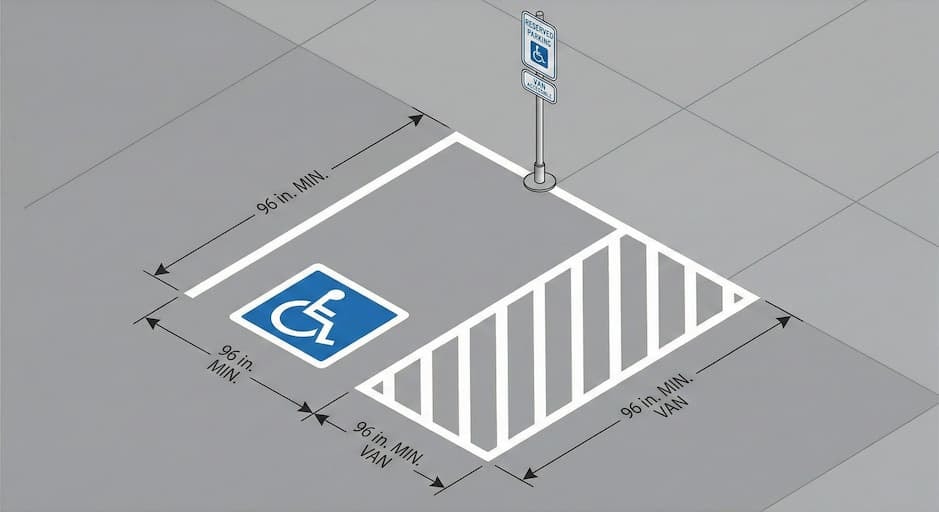
Compliance with the Americans with Disabilities Act (ADA) is highly necessary for ensuring parking lots are accessible to all users. Accessible parking spaces must have specific dimensions, including access aisles for individuals using mobility devices.
According to ADA guidelines, the total number of parking spaces in the facility determines the required number of accessible parking spaces, with specific ratios based on lot size.
Properly maintained paths of travel to and from accessible parking spaces are critical for compliance with ADA regulations and ensuring accessibility for all visitors.
Ensuring that ADA signage and access aisles comply with the most current code and are clearly visible after resurfacing or parking lot striping is crucial to maintaining compliance.
Regular assessment of curbs, ramps, and tactile warning surfaces ensures the entire parking lot meets accessibility standards.
Speed Control and Pedestrian Safety
Speed control measures and pedestrian safety are paramount in parking lots to protect all users from the risk of accidents. Properly maintained speed bumps, curbs, and wheel stops help control vehicular speed and enhance pedestrian safety by creating natural traffic calming.
Installing speed bumps and curbs can significantly reduce vehicle speeds, creating a safer environment for pedestrians, especially in high-traffic areas where customers and visitors frequently walk.
Well-defined pedestrian pathways and clear markings are highly necessary to prevent collisions and ensure safe movement within the parking lot. Regularly inspecting safety hardware, such as wheel stops, speed bumps, and bollards, ensures they remain visible and secure, reducing collision and trip risks.
This focus on safety equipment maintenance is critical for maintaining a well-maintained parking lot that prioritizes user safety.
Conclusion
Maintaining a parking lot is a multifaceted task that requires regular inspections, routine cleaning, seasonal maintenance, structural repairs, and thorough documentation.
By implementing a comprehensive parking lot maintenance checklist, facility managers and property owners can ensure their parking lots remain safe, accessible, and aesthetically pleasing while protecting their investment.
Regular maintenance activities not only extend the pavement lifespan but also reflect positively on the organization, showing a commitment to safety and user satisfaction.
Taking proactive measures and addressing issues promptly through a structured parking lot maintenance plan can prevent costly repairs and enhance the parking lot’s overall functionality. The cost of preventive maintenance is always lower than emergency repairs in the long run.
Facility managers are encouraged to adopt these best practices to keep their parking lots in excellent condition year-round, creating a positive first impression and maintaining curb appeal for customers, visitors, and tenants.
A well-maintained parking lot is an asset that supports the organization’s operations and demonstrates professional property management.
Are you ready to implement a comprehensive maintenance plan for your parking lot? Partner with Bart’s Asphalt for reliable, professional service that protects your investment.
Frequently Asked Questions
This section addresses the most common questions about effective parking lot maintenance, providing clear answers and guidance for property managers and facility owners.
Why are regular inspections necessary in parking lot maintenance?
Regular inspections are crucial as they help identify hazards early and prioritize repairs, thereby ensuring both safety and the longevity of the parking lot.
Early detection of cracks, drainage problems, and surface damage allows facility managers to address issues before they escalate into costly repairs that can break the maintenance budget.
How often should sealcoating be performed?
Sealcoating should be performed every 2-3 years to ensure optimal protection for your asphalt parking lot surface.
Using environmentally friendly, PAH-free products is highly recommended to protect both the pavement and the environment while extending pavement life.
What is the difference between crack filling and crack sealing?
Crack filling is typically used for inactive cracks and involves filling the crack with a hot or cold pour material.
Crack sealing is used for active cracks that expand and contract with temperature changes, and it uses a flexible, rubberized sealant that moves with the crack, providing longer-lasting protection against water intrusion and pavement deterioration.
How do I remove oil stains from asphalt?
Oil stains on asphalt can be removed with specialized degreasers or detergents, followed by pressure washing.
For stubborn stains, apply a commercial asphalt cleaner, let it sit for the recommended time, scrub with a stiff brush, and then pressure wash.
Prompt cleaning prevents oil from penetrating deep into the pavement and causing long-term damage.
Are deicers safe for concrete parking lots?
Not all deicers are safe for concrete surfaces. Calcium chloride and magnesium chloride can damage concrete, especially newer concrete that hasn’t fully cured.
Sodium chloride (rock salt) is generally safer but can still cause surface scaling.
Property managers should use deicers specifically labeled as concrete-safe and apply them judiciously to minimize damage while maintaining safety in winter conditions.