

What Are the ADA Parking Requirements for Apartments?

Apartment complexes must provide a specific number of accessible parking spaces based on the total number of parking spaces provided in each parking facility, as defined by the Americans with Disabilities Act (ADA). For example, a parking lot with 1 to 25 spaces requires at least one accessible space, while a 400-space lot requires at […]
Parking Lot Maintenance Plan: A Season-by-Season Checklist for Facility Managers

A parking lot maintenance checklist is a structured document used to inspect, clean, and repair a parking area, ensuring safety, compliance, and longevity. It organizes tasks by frequency, covering visual inspections, cleaning, structural repairs, and seasonal preparations. This guide details what to include in visual inspections, how to manage seasonal tasks, and how to enhance […]
Comprehensive Pavement Maintenance Plan for Michigan Apartment Complexes

To maintain pavement in Michigan apartment complexes, you need a pavement maintenance plan that includes assessments, regular inspections, and preventive measures. This guide will show you how to do it effectively, whether you manage properties in Detroit, Grand Rapids, or Ann Arbor, considering Michigan’s unique climate and regulations. Key Takeaways Assess pavement conditions using the […]
Is Asphalt Cheaper Than Concrete? The Real Long-Term Costi

When comparing asphalt vs concrete cost, asphalt is typically cheaper upfront at $7 to $15 per square foot. On the other hand, concrete ranges from $8 to $20 per square foot but offers a longer lifespan and better long-term value. In case you’ve also been wondering about which is the best value for a driveway […]
What Is Spring Pothole Season and Why Does It Happen?

Spring pothole season is the period from late winter to early spring when potholes form rapidly due to repeated freeze-thaw cycles and melting snow. These cycles crack the pavement, allowing water to weaken the subbase, which then collapses under traffic. This guide explains how potholes form, the damage they can cause, and the preventive maintenance […]
Infrared vs. Cut-and-Replace: Which Asphalt Repair Do You Need?

Infrared repair is a fast, cost-effective method ideal for surface-level damage, while cut-and-replace is a complete structural solution for deep pavement failures. Choosing the right one depends on balancing cost, speed, and the severity of the pavement damage. This guide compares the durability, cost, and ideal applications for both methods to help you decide Key […]
Pre Winter Lot Prep: Pro Tips for a Safe & Ready Parking

Pre-winter lot prep is a preventative maintenance plan to protect property, which involves inspecting and repairing pavement, sealcoating, clearing drainage systems, staking for plows, and securing snow removal contracts. This guide explains why it’s critical to repair pavement first, how seal coating protects asphalt, and what to include in a snow removal contract to ensure […]
ADA Handicap Parking Painting Requirements Every Property Owner Should Know

Many property owners assume repainting accessible parking spaces is as simple as refreshing faded lines. In reality, ADA handicap parking painting requires far more than applying new paint. Knowing the Michigan commercial parking lot line striping standards helps property owners avoid costly compliance mistakes. Federal accessibility standards establish strict requirements for parking space dimensions, access […]
The Best Parking Lot Lifecycle Strategy for Long-Lasting Surfaces
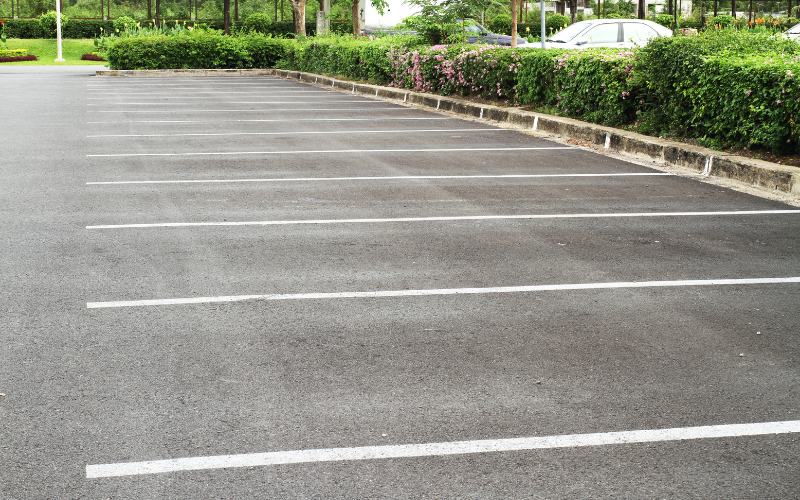
A neglected parking area can lead to expensive repairs, safety hazards, and a poor first impression for customers or tenants. But with a smart lifecycle strategy, you can protect your investment, extend pavement life, and save thousands in maintenance costs. This comprehensive guide reveals the proven steps, from routine maintenance to major repairs, that keep […]
How Long Does Driveway Sealcoating Take to Dry? A Quick Guide

Ever thought of how long driveway sealcoating takes to dry? Generally, the initial drying time ranges from 3 to 4 hours under the best conditions, just enough to allow light foot traffic. However, for the sealcoating to endure vehicle traffic, a waiting period of 24 to 48 hours is recommended. Factors like weather, application thickness, […]